

How to Choose the Right Style for Home Furniture

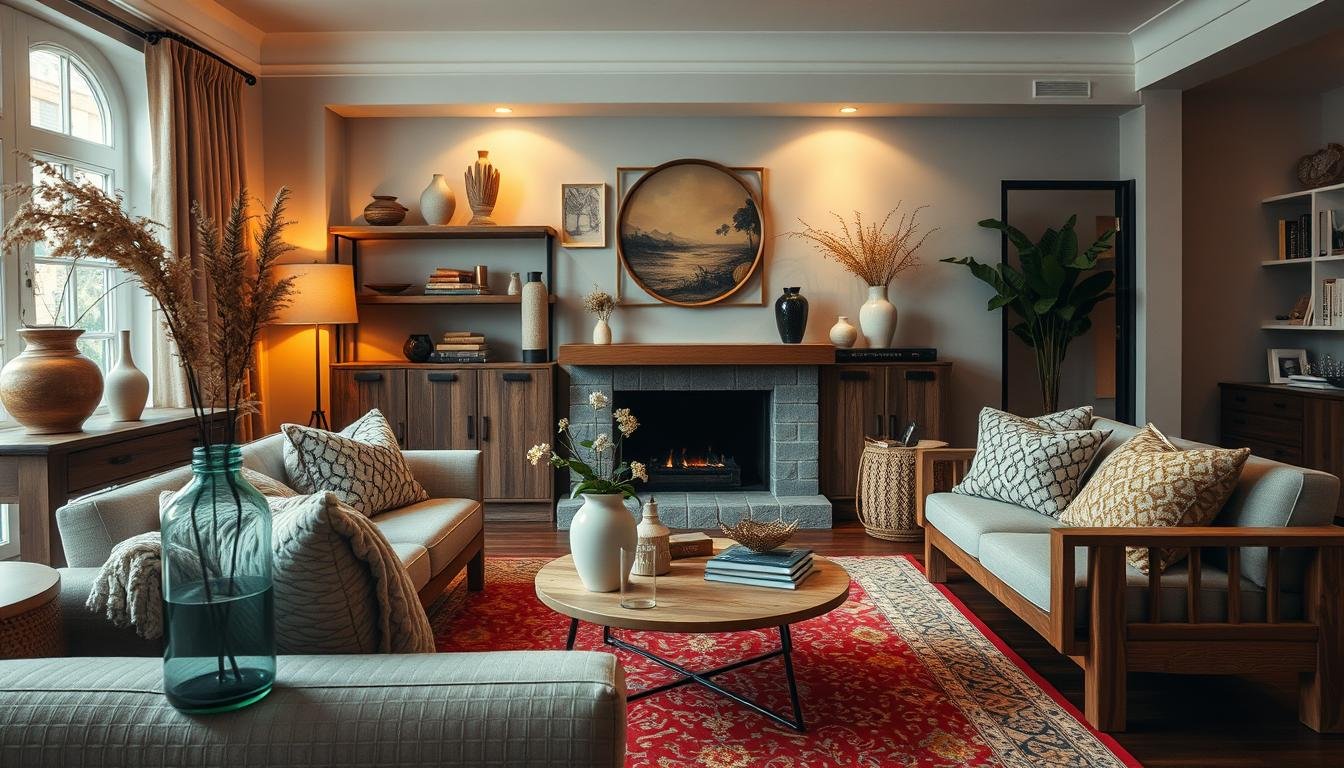
Furnishing our homes can be overwhelming. There are many styles to choose from, like modern minimalism and rustic charm. But, picking the right furniture style is not just random. Each piece adds to the feel of your home and shows your taste.
Key Takeaways
- Defining your personal style preferences is the first step to choosing the right furniture
- Consider proportions, scale, and functionality when selecting furniture pieces
- Coordinate colors and materials across furniture to create a harmonious look
- Invest in quality furniture for long-term durability and value
- Consistency is key for a visually pleasing and cohesive living space
Understanding Interior Design Fundamentals
Creating a beautiful home interior starts with knowing the basics. It's about understanding design principles, style elements, and color theory. These key concepts help make your home look and feel great.
Basic Design Principles
Interior design is all about balance, rhythm, harmony, and emphasis. Balance means arranging things evenly or not. Rhythm comes from repeating shapes or colors. Harmony mixes different elements smoothly, and emphasis highlights important parts of the room.
Elements of Style and Composition
Interior design style includes line, form, color, texture, and space. Using these elements well makes your space look good and feel right. For example, simple lines and smooth surfaces are modern. But, fancy details and deep colors are more traditional.
Color Theory Basics
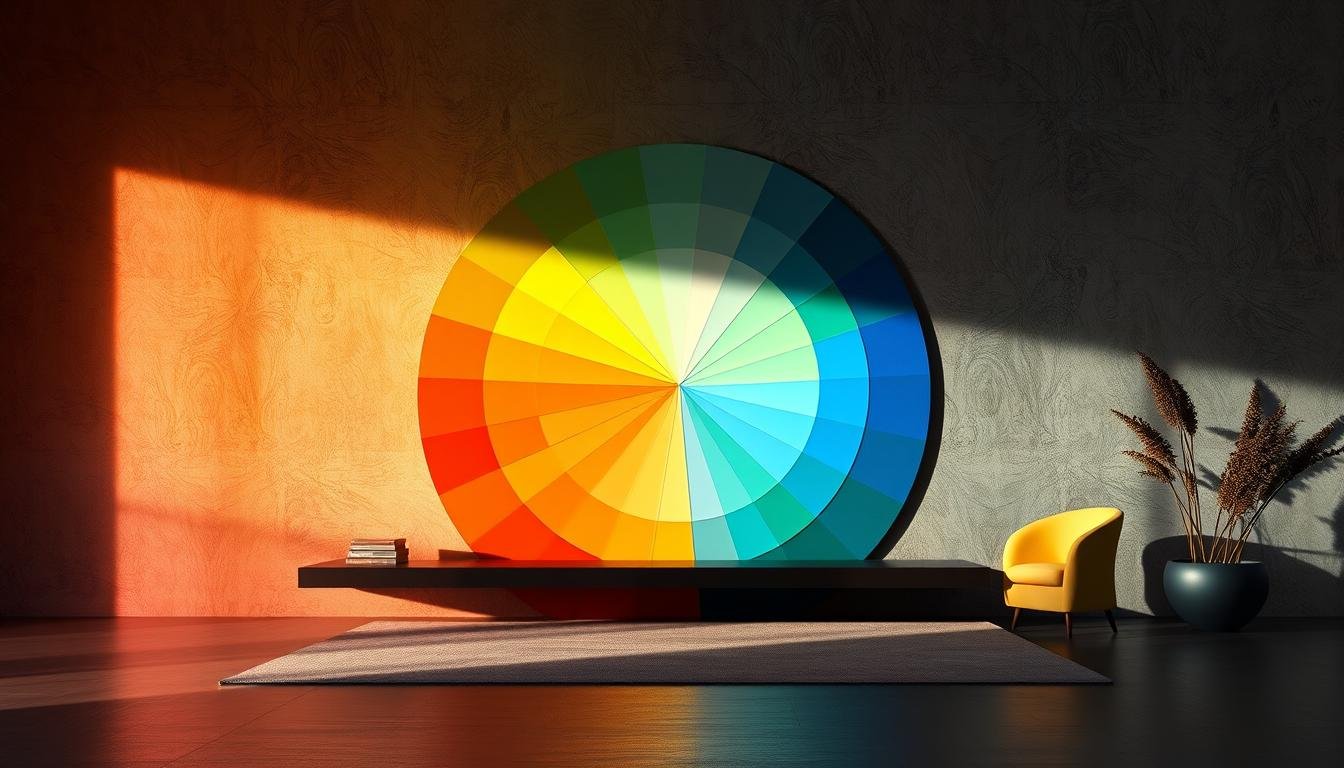
Color theory is key when picking furniture materials, furniture finishes, and color schemes. The color wheel shows primary, secondary, and tertiary colors. It also shows how colors work together, like complementary and analogous schemes. Knowing color theory helps create a space that's full of life and personality.
Choosing the Right Style for Home Furniture
Choosing the right style for your home furniture is key. It's not just about the price or looks. The style should tie everything together in your living spaces. For example, modern styles often have metallic and angular pieces. Casual styles, on the other hand, are cozy and natural.
It's important to keep your furniture style consistent. Having a unified theme in each room makes it easier to find pieces that go well together. Also, think about the materials of your furniture. Some materials, like nylon and polyester, are more durable than natural fibers like cotton and wool.
- Color can help provide continuity in a room with different styles of furniture.
- Complementary colors on the color wheel provide vibrant color combinations.
- Bold patterns and contrasting colors can tie together pieces of furniture.
- Visual weight balance is important when choosing furniture pieces.
- Scale of furniture should match the size of the room for balance.
Finding the right style for your home furniture is about balance. It's about mixing your personal style with what your space needs. By considering color, texture, and scale, you can create a space that looks good and feels right for you.
Assessing Your Space and Layout Requirements
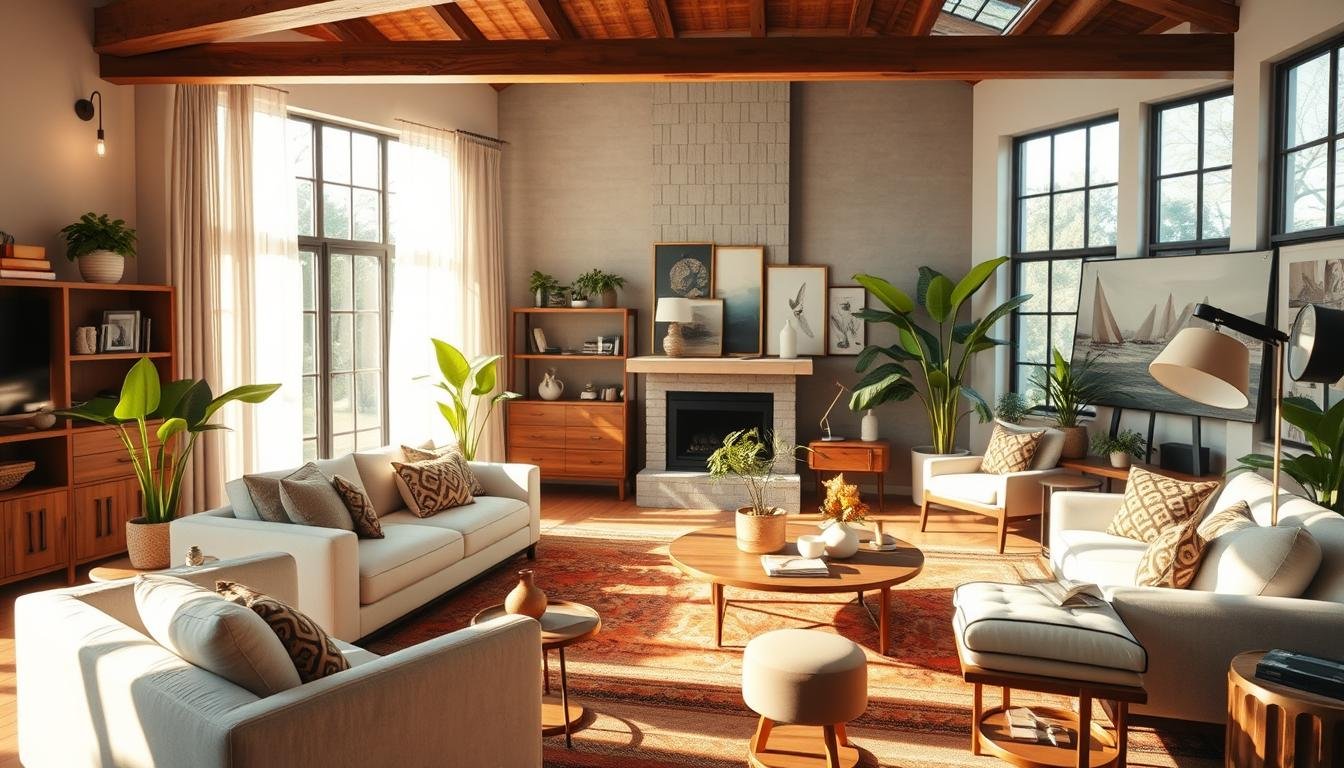
Understanding your home's layout is key when furnishing. Measure each room and plan furniture placement carefully. This ensures everything fits well and improves your home's flow and function.
Room Measurements and Space Planning
Begin by measuring your rooms' length, width, and height. Write down these numbers to help choose furniture. Think about doors, windows, and special features that affect the layout.
Create a floor plan to see how your rooms will look. You can do this by hand or with digital tools.
Traffic Flow Considerations
Think about how people will move through your space. Find the main paths and make sure there's enough room to walk. Don't block doors or create tight spots that slow down movement.
Place furniture in a way that makes the room more open and welcoming. This improves how you use the space.
Furniture Placement Guidelines
- Choose furniture that fits the room size, avoiding overcrowding.
- Set up furniture to encourage talking and socializing.
- Group similar items together, like a sofa, loveseat, and coffee table.
- Use furniture that serves more than one purpose, like ottomans with storage.
By carefully planning your room layouts and needs, you can pick furniture that fits and improves your home. This thoughtful planning leads to a harmonious and organized living space.
Material Selection and Quality Indicators
Furniture materials are key to lasting quality and satisfaction. Solid wood, genuine leather, and sturdy upholstery show durability and quality. As someone who loves furniture, I've found that knowing how to care for different materials is crucial.
Wood furniture looks better when pieces are in the same shade. Mixing light and dark woods works if you balance them right. Use more light wood to match the look of dark pieces. Metal is great for modern and eclectic styles but might not fit formal rooms.
- Solid hardwoods like oak, maple, or walnut last longer than engineered wood or particle board.
- Eight-way hand-tied construction means a piece is well-made, offering better support and lasting comfort.
- Fabrics with a rub count over 15,000 resist wear well, perfect for busy areas.
- Quality frames have corner blocks, dowels, or brackets for extra strength and stability.
Choosing quality furniture materials and construction is worth it. These pieces will last longer and keep their beauty. By thinking about these points, you can pick furniture that's both functional and long-lasting for your home.
Color Schemes and Coordination Strategies
Renovating your home is exciting, and learning about color schemes is key. Color can change the mood, feelings, and look of your home. Knowing how to mix colors can make a big difference.
Primary and Accent Colors
Color schemes need a balance between main and accent colors. Main colors should be the base, and accent colors add excitement. The 60-30-10 rule helps, suggesting 60% main color, 30% secondary, and 10% accent.
Creating Color Harmony
Color harmony is vital for a beautiful home. Using different shades, textures, and patterns can connect your colors well. Light also matters, as it shows colors' true beauty.
Seasonal Color Adaptability
Colors change with the seasons. Updating your decor to match the season keeps your home lively. Use warm colors in winter and bright ones in summer.
"Color is a power which directly influences the soul." - Wassily Kandinsky
Learning to mix colors can make your home look amazing. The right colors and strategies can show off your style and taste.
Blending Different Furniture Styles
In the world of interior design, mixing furniture styles is getting more popular. This eclectic approach lets you create stunning, personalized spaces. It shows off your unique taste and style. Let's dive into how to mix furniture finishes and designs for a beautiful interior.
One key strategy is to focus on common elements like color or pattern. Choosing a consistent color palette or matching patterns can link different pieces together. Bold patterns and contrasting colors can act as anchors, holding the eclectic mix together.
Think about reupholstering furniture in patterns that match, like stripes and florals in the same colors. This adds interest and ties the space together. Also, balance furniture sizes by pairing big pieces with others of similar size. This keeps the look harmonious and curated.
- Embrace an eclectic approach to create personalized living spaces
- Focus on unifying elements like color or pattern to tie together disparate pieces
- Reupholster furniture in complementary patterns to add visual interest
- Balance visual weight by pairing furniture of similar proportions
Mixing furniture styles brings a unique, captivating vibe to your space. The secret is finding the right balance. Experiment with bold combinations and add your personal touch to every detail of your design.
Comfort and Ergonomics in Furniture Selection
When picking furniture for our homes, comfort and ergonomics are key. The right furniture can greatly affect our well-being and quality of life. As an interior designer with over a decade of experience, I've learned the importance of choosing furniture that fits our style and supports our daily activities.
Seating Comfort Standards
Good seating comfort is vital, whether it's for sofas, dining chairs, or office chairs. Look for furniture with adjustable lumbar support, plush cushioning, and high-quality materials. Ergonomic chairs and sofas can greatly reduce muscle strain and improve posture.
Ergonomic Considerations
Ergonomics matter in every room of your home. From coffee table height to computer screen position, thoughtful design can boost comfort and well-being. Focus on adjustability, support, and natural body alignment to create a space that meets your needs.
Long-term Usage Factors
Choose furniture that lasts and remains practical over time. Invest in durable, high-quality materials and construction. This ensures your furniture withstands your household's demands, whether you have a busy family or an active lifestyle.
"Interior design is not just about creating beautiful spaces - it's about enhancing the way people live and experience their environments. Comfort and ergonomics are essential elements in crafting a truly functional and rejuvenating home."
By focusing on comfort and ergonomics, you can make your living space both beautiful and supportive of your well-being. The right furniture can improve posture, reduce strain, and lead to a healthier, more relaxed lifestyle.
Budget Planning and Investment Strategy
Finding the right mix of affordable and valuable furniture is key when furnishing your home. It's tempting to choose cheaper options. But, planning your budget and strategy can save you money in the long run.
Focus on furniture you use a lot, like sofas, beds, and dining sets. These items should last long and be comfortable. Look for pieces that are both useful and cost-effective to save space.
- Splurge on statement pieces: Set aside some money for furniture that stands out, like a bold light fixture or a vibrant sofa.
- Balance with budget-friendly accents: Use cheaper items for accessories, lighting, and small furniture to make your space look good.
- Prioritize comfort and durability: Make sure your furniture, especially for sitting and sleeping, is both comfy and durable.
By planning your budget and choosing quality furniture, you can make a home that's both stylish and comfortable. This approach will pay off for years to come.
"Investing in quality furniture pays off in the long run, as it can increase the value of your home and provide a comfortable, lasting environment."
Maintaining Style Consistency Across Rooms
Creating a cohesive home is about keeping a consistent design style. By using the same themes and elements, you can make different rooms look connected. Here are some ways to do it.
Theme Continuation Techniques
Start by picking a main style or theme for your home. Then, use the same colors, patterns, or materials in each room. For example, if your living room has a farmhouse look, add wooden accents and vintage furniture to other rooms too.
Transitional Space Design
Designing transitional spaces is key to keeping your style consistent. Think about how rooms with different styles connect. Use archways, entryways, or special thresholds to link rooms and guide your eye through the house.
Accent Piece Integration
Accent pieces can tie your home together. Choose items like unique lighting, artwork, or textiles that match your theme. These pieces can bridge the style gap between rooms.
Don't make every room the same. A balanced approach lets each space show your personality while keeping the overall look cohesive. With careful planning and attention to detail, your home will be both harmonious and welcoming.
Conclusion
Choosing the right furniture for your home is a rewarding journey. It needs careful thought. By matching your furniture to your personal style, you can make a space that feels like you. It should be both comfortable and beautiful.
Every piece of furniture tells a part of your home's story. So, picking the right ones is key. At ALMANARA PEOJECT, you can find a wide range of fabrics, woods, and finishes. They help you find pieces that fit your vision perfectly.
Don't forget about comfort and ergonomics. They're as important as style. ALMANARA PROJECT offers many options to test and choose from. They also have promotions and financing to help you stay within budget. This way, you can make your dream home a reality.